Constitutional Studies
Any science of how real people actually behave politically – how they act and talk in politically relevant ways – must be committed to integrating “normative” and “empirical” approaches to political knowledge. Constitutional Studies strives to be such a discipline.
We reject the fact-value dichotomy that remains popular in some academic circles despite its long decline in modern philosophy. Our field conceives constitutional democracy as seeking not merely to aggregate popular preferences but also to refine and enlarge popular preferences toward reasonable conceptions of the common good. Our field assumes a conception of political leadership shared by political thinkers from Aristotle to the authors of The Federalist and beyond: leadership that educates the public to its true interest, as opposed to its temporary inclinations. A substantial part of our program is thus devoted to the different conceptions of the public interest that have been debated from the American Founding to the present.
We also engage debates about the right approach to constitutional interpretation, the correct models of constitutional institutions, and the meaning and scope of constitutional powers and rights. Following the example of the American Founders, students of Constitutional Studies examine the experiences of other nations in an attempt to find what institutional arrangements work under what circumstances and might work at home for the benefit of the nation’s people. And from their concern for the material conditions for constitutional success, students study judicial behavior and how constitutional institutions interact with each other and with public opinion.
Faculty
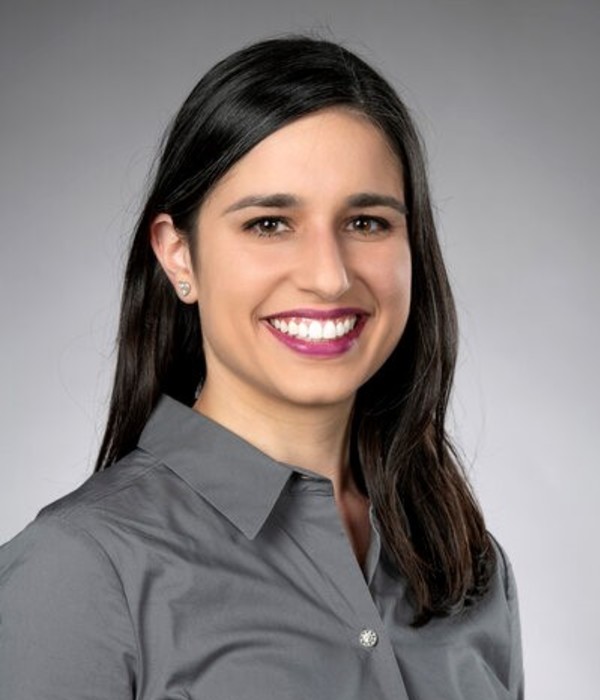
Christina Bambrick
Filip Family Assistant Professor
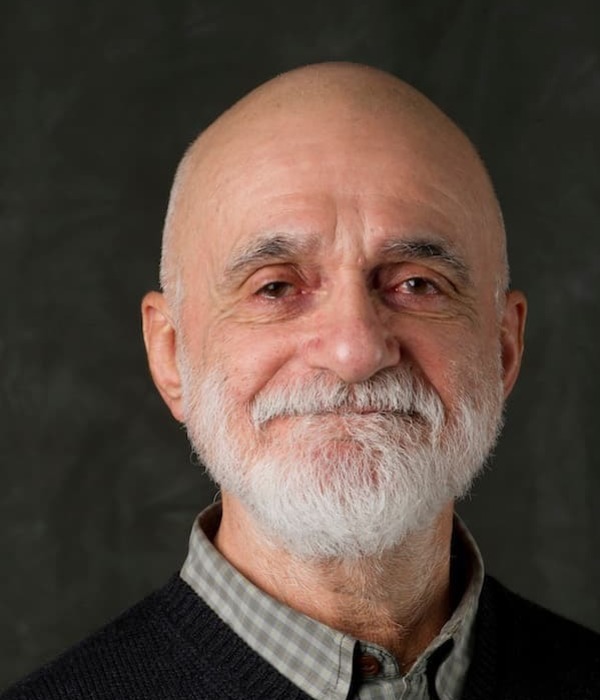
Sotirios Barber
Professor
Anthony J. Bellia Jr.
O’Toole Professor of Constitutional Law
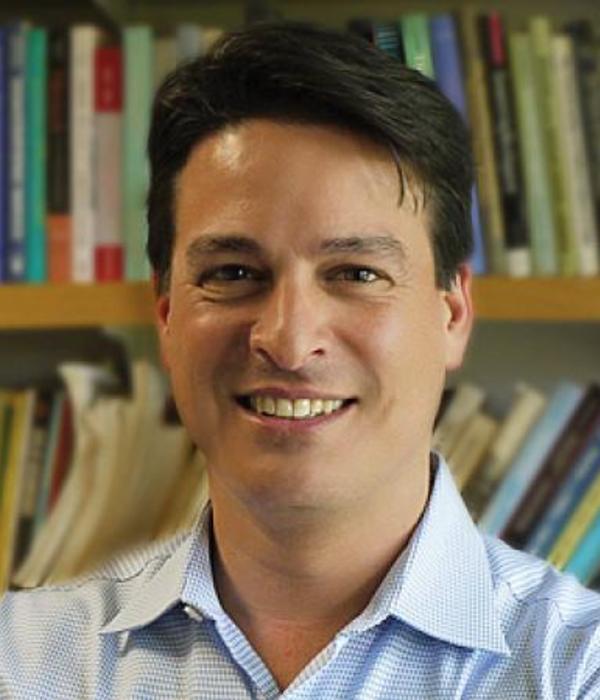
Paolo Carozza
Professor of Law
Susan D. Collins
Associate Professor
Barry Cushman
John P. Murphy Foundation Professor of Law
Patrick J. Deneen
Professor
Richard W. Garnett
Paul J. Schierl/Fort Howard Corporation Professor
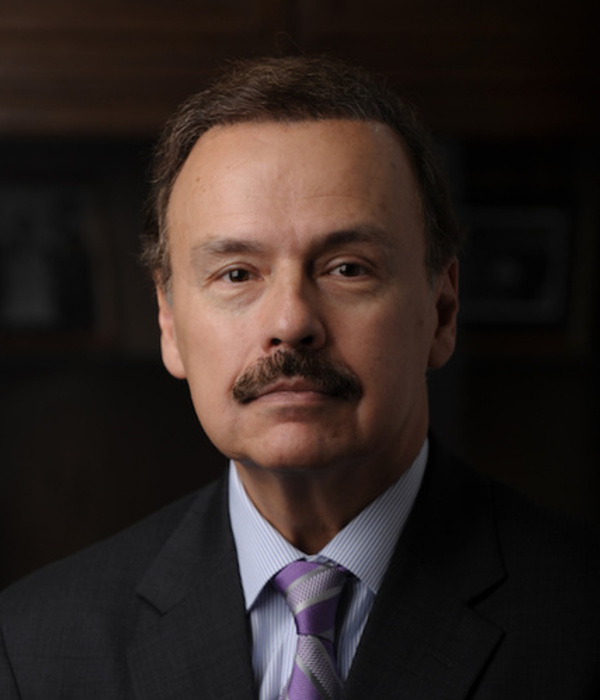
Jimmy Gurulé
Professor of Law
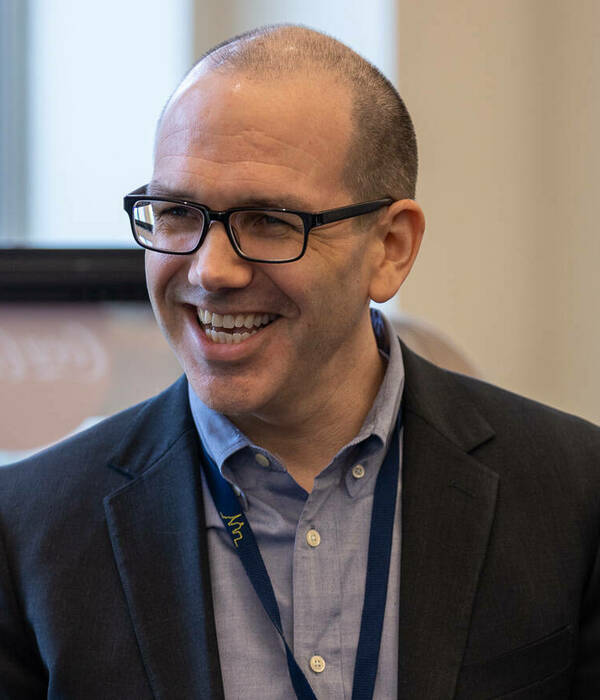
Matthew E.K. Hall
David A. Potenziani Memorial College Professor of Constitutional Studies
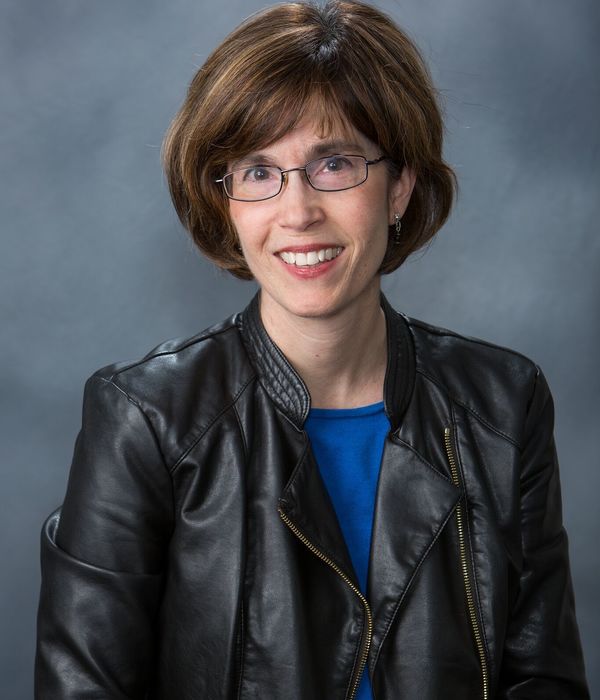
Mary M. Keys
Professor
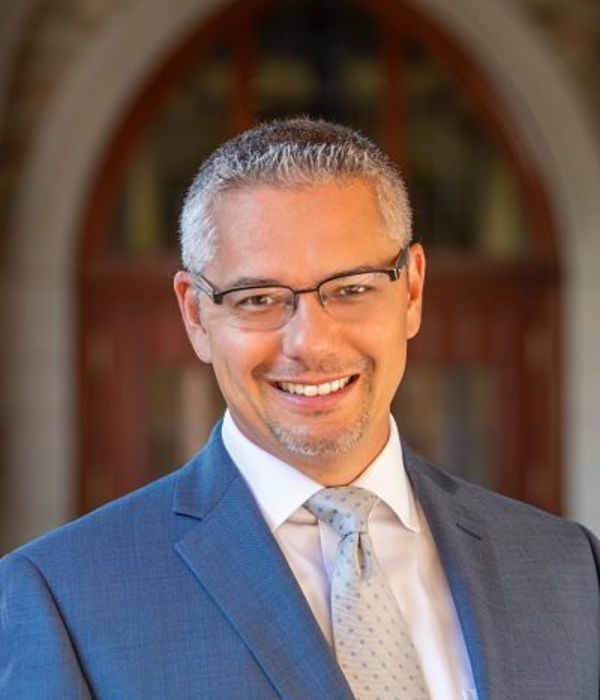
Vincent Phillip Muñoz
Tocqueville Professor of Political Science
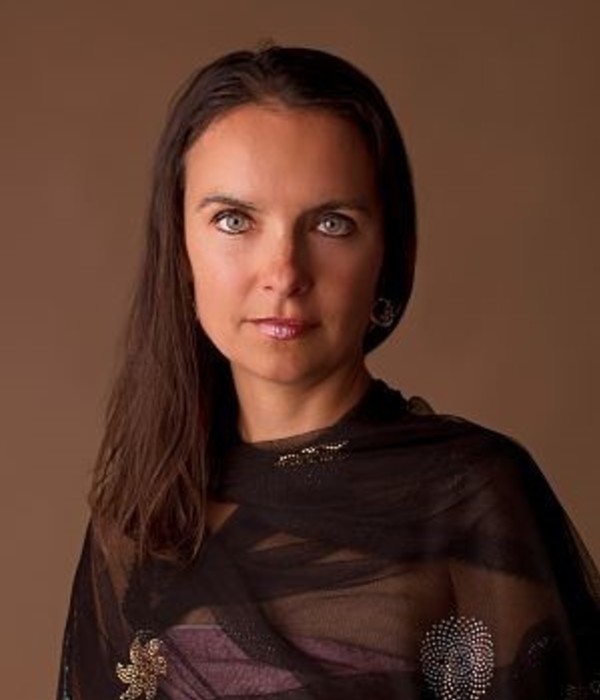
Emilia Justyna Powell
Professor
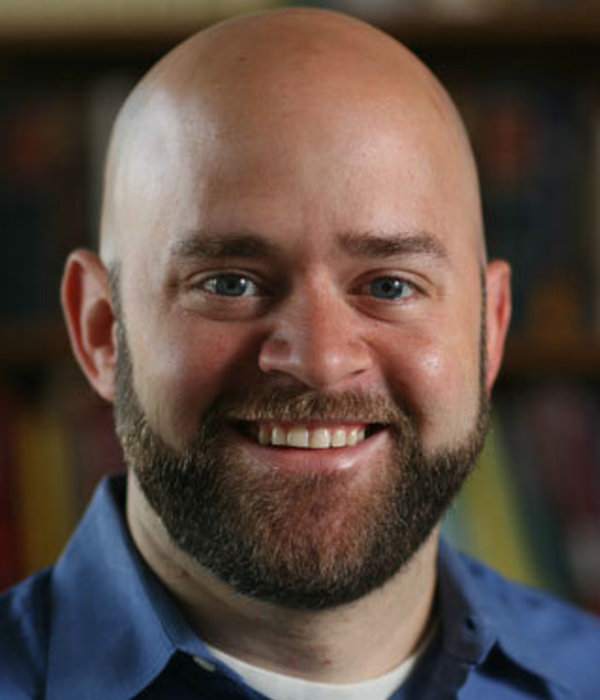
O. Carter Snead
The Charles E. Rice Professor of Law
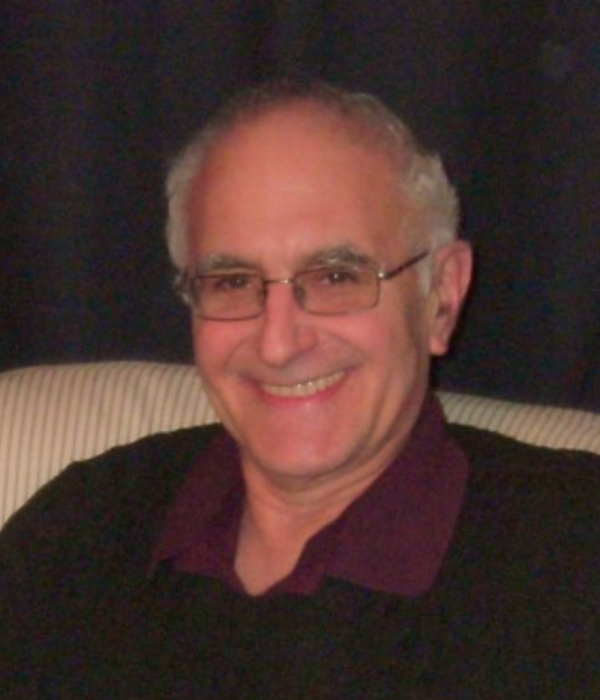
Michael Zuckert
Emeritus Faculty